Floor and Subfloor Mold Removal in North Central, SC
Mold removed from affected flooring and subfloor surfaces in your North Central home. Call 24/7 to arrange an assessment of hidden moisture and damaged floor layers.
- Moisture below flooring checked
- Containment and HEPA filtration
- Cleaning before floor repair
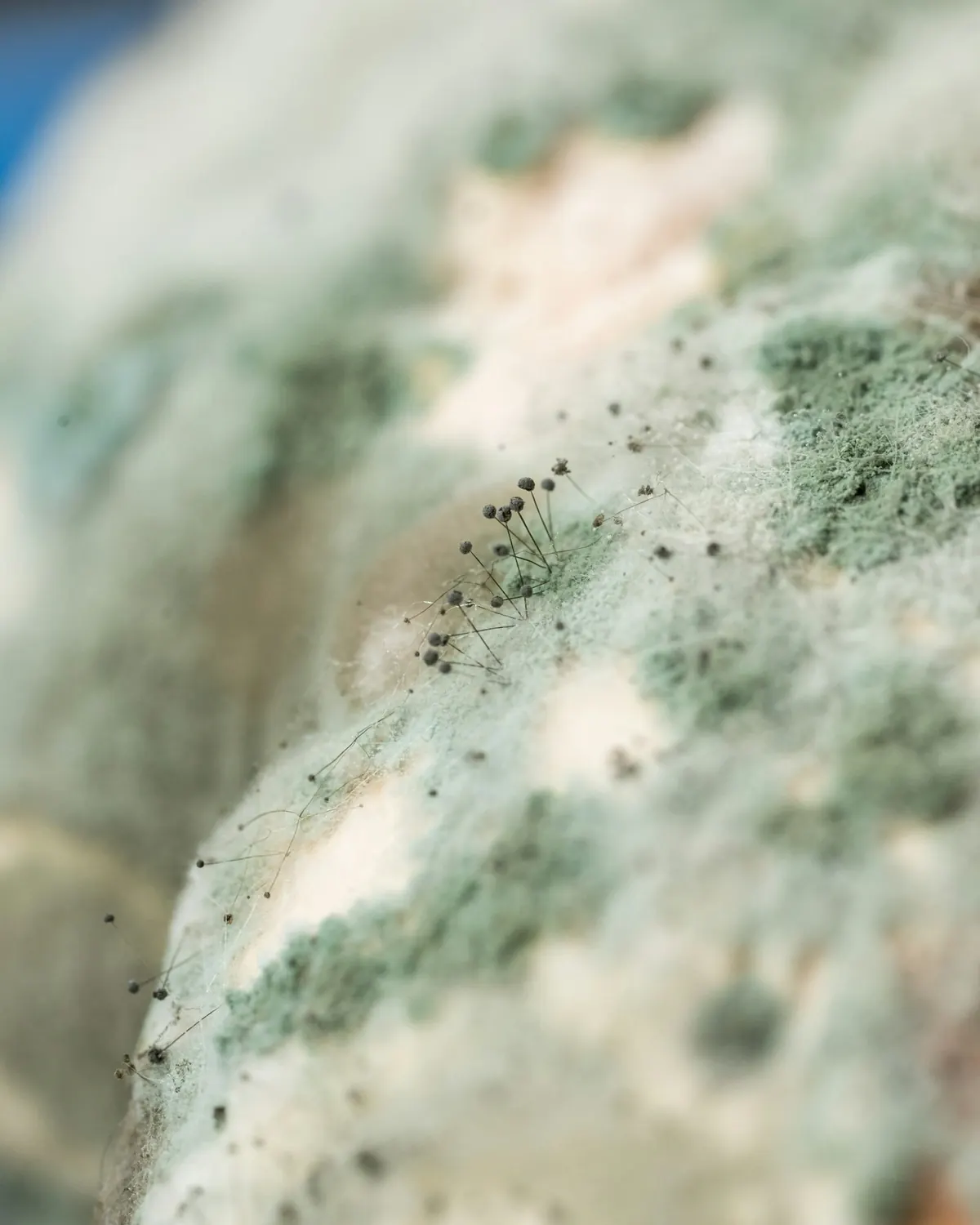
Floor and Subfloor Mold Removal Services in North Central
Cleanup addresses your underlayment and carpet along with accessible joists and wood panels. Sound surfaces undergo cleaning followed by drying. Damaged floor layers come out within containment.
Your assessment considers room access as well as routes through a basement or crawl space. Even with an undamaged-looking finish, hidden mold can reach the subfloor, whether plywood or OSB.
Removal limits and steps to correct moisture appear in your written scope. Ahead of work, separate items identify repairs to joists, replacement flooring and replacement of the subfloor.
- Padding disposal alongside carpet mold removal
- Mold under hardwood floors assessed
- Laminate layers examined alongside vinyl plank flooring
- Accessible panel and joist cleaning
- Debris removed within containment using HEPA filtration
- Moisture readings before floor repairs
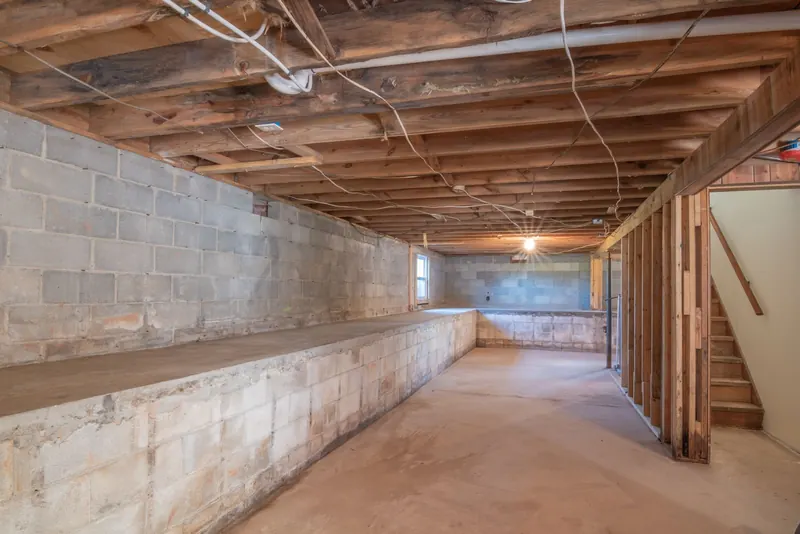
Signs You Need Floor Mold Cleanup in North Central
Arrange an assessment if your floor edges are damaged, mold is visible or odors return. Dampness damage alone cannot confirm hidden mold.
Floor Cupping and Water Stains
Mold in hardwood floors can bring stains and raised edges, but moisture damage alone can too.
Mold Under Laminate Flooring
Swollen planks or exposed growth reveal damp layers beneath your floor.
Musty Smell Below Flooring
Odor returns near floor edges after surface cleaning.
Mold in Carpet After a Leak
Following a leak, you notice growth or a musty carpet odor.
Mold Under Vinyl Flooring
You see patches on moist backing or underlayment beneath raised edges.
Visible Growth on Floor Joists
Patches below your room mean the wood and dampness need assessment.
How Subfloor Mold Remediation Works in Greater Charleston
Assessment of moisture comes first for your job; contained cleanup precedes the closing checks.
Floor Assessment
Your floor's damp areas are charted using a moisture meter. A thermal imaging camera can reveal temperature differences but does not identify mold.
Moisture Source and Floor Scope
Your assessment checks leaks, slab moisture and damp areas beneath the floor. Plans for source repairs and removal boundaries precede opening any layers.
Containment Before Flooring Removal
For a containment barrier, poly sheeting is used. Particle spread is limited using negative air pressure, a HEPA air scrubber and protective equipment.
Damaged Floor Layers Removed
Removal includes unsound panels, moldy carpet padding and swollen underlayment when necessary. Debris is bagged inside containment.
Retained Surfaces Cleaned
A HEPA vacuum and physical cleaning remove mold on surfaces that remain, including sound accessible joists and panels.
Subfloor Drying
A dehumidifier and air movers support drying after cleaning. Retained wood and uncovered layers are tracked using moisture readings.
Post-Remediation Verification
Cleaning, dryness and agreed completion criteria are checked. An independent assessor conducts specified clearance testing while containment is still in place.
Containment Removed After Checks
Barriers come down after verification. Your selected flooring's moisture requirements and cleanup checks come before replacement of materials.
Why Choose Charleston Mold Cleanup for Floor and Subfloor Mold Removal
Contained Work and HEPA Filtration
Containment surrounds floor-layer openings, with HEPA filtration sized to suit your work area.
Floor Moisture First
Floor removal boundaries are determined only after tracing hidden moisture and leakage.
Removal Through Final Checks
Your floor structure that remains is checked after cleaning and drying, with containment still up.
Calls Answered 24/7
One number serves the whole metro for starting your floor assessment, whether daytime or nighttime.
Clear Floor Cleanup Scope
Cleaning, removal and rebuilding have separate places in your scope before the job begins.
Floor Mold Cleanup in Charleston County: Before Work Starts
Leave your affected flooring untouched. Arrange an assessment by phone.
- Avoid unstable flooring. Stay off soft or sagging areas.
- Stop active water safely. Only stop the leak if doing so keeps you clear of wet electrical equipment.
- Leave floor layers in place. Do not start dry brushing, tear out or sanding.
- Limit access. Keep people and pets away from affected flooring.
- Avoid blowing on growth. Do not aim fans at mold or run suspected contaminated HVAC equipment.
Your North Central Floor and Subfloor Cleanup Cost
Floor access and the layers involved determine your price. Published figures here describe related repair costs rather than mold removal. Do not add these ranges to a cleanup total.
Flooring repair after mold, related cost
$200 to $550 per jobSource: Servpro, Mold Remediation Cost (checked 2026-10-23)Carpet Replacement or Repair Following Mold: Related Cost
$775 to $2,600 per jobSource: Servpro, Mold Remediation Cost (checked 2026-10-23)Related Cost: Hardwood Restoration During Water Damage Work
Per square foot: $10 to $15Source: Fixr, Water Damage Restoration Cost (checked 2026-10-23)Your North Central Subfloor Mold Removal Cost Factors
- Growth depth plus the boundaries of removal
- Flooring layers and square footage affected
- Containment and drying equipment
- Access beneath cabinets or partitions
- Leak repair and flooring replacement
Prices for Related Floor Repairs
These published national ranges are planning figures. Your on-site assessment defines the work and price before cleanup starts, including any separate source repairs or rebuilding.
Call (844) 352-3560 about costFloor and Subfloor Mold Removal Service Area Across Greater Charleston
Call (844) 352-3560 to arrange cleanup in North Central or nearby communities. One number covers the metro.
Floor and Subfloor Mold Removal in Locations Near North Central
ZIP codes
Frequently Asked Questions About Floor and Subfloor Mold Removal in North Central
When can floor cleanup in North Central be completed?
Assessing your floor precedes scheduling the work. The work needed to remove carpet and its padding differs from exposing glued flooring or replacing panels with damage. Drying follows moisture readings rather than surface feel. Your room's return to use is affected by replacement finishes, structural repairs and access underneath cabinets.
Is mold likely to recur beneath your new floor?
Mold can return if the moisture problem remains. Your pre-cleanup assessment looks for leaks, underfloor dampness or slab moisture. New finishes go on only after retained materials have been cleaned and dried. Completed source repairs and appropriate moisture control help prevent the same damp conditions from returning.
Is the water problem fixed as part of cleanup?
The moisture source is assessed and necessary corrections are defined with your cleanup scope. Plumbing repairs, slab moisture control or work beneath the floor are included only when specified. Before sealing affected layers, finish those corrections to ensure your new flooring does not conceal an ongoing water problem.
Do you need testing ahead of floor removal or afterward?
With visible mold, you often do not need air sampling, according to EPA guidance. Affected materials and dampness are identified by inspection, which includes concealed layers exposed with controlled openings. After cleaning and drying, agreed post-remediation checks are completed before containment comes down. An independent assessor conducts clearance testing whenever the scope specifies testing. There is no federal limit for mold levels indoors.
What affects your floor mold cleanup cost in Charleston County?
Pricing reflects concealed floor layers, the area inspected and the work of reaching affected surfaces. You see sourced related floor repair ranges in the cost cards, not a quote for mold cleanup. Drying and rebuilding influence your total alongside containment, removal. Before the job begins, you receive an explanation of scope and price.
Do you need to leave home for floor cleanup?
Whether you can remain home depends on the affected area, your layout and essential room and exit access. During cleaning and removal, entry to the work zone is restricted. Planning before the job considers shared ventilation alongside your household's needs. Until required repairs are finished, openings and unstable floors also influence whether you can occupy the area.
Do all the layers beneath your floor need removal?
Removal follows the damage and access needed for cleaning. Moldy carpet and padding or swollen underlayment may need disposal, while sound accessible wood may remain. Mold in subfloor layers can require openings beyond the visible patch. Your scope identifies removal boundaries, retained surfaces and any necessary structural assessment.
Understanding South Carolina Insurance for Floor Mold Cleanup
The source of water and your policy's exclusions, deductible and mold limits affect coverage. Leak repairs, rebuilding and cleanup may each get a different coverage decision.
Floor Mold Cleanup Safety Across Greater Charleston
Mold spores spread less during your flooring removal when containment and controlled openings are used.
Hidden Floor Layers
Beneath cabinets and in adjacent rooms, growth may spread farther.
Sensitive Occupants
CDC says mold may trigger symptoms of allergies and asthma for some people.
Mold Color
According to CDC, you cannot judge mold risk from its color.
Floor Stability
Before using soft or sagging floor areas again, have their structure assessed.
Cleanup scope: According to EPA, you can often clean an area under about 10 square feet yourself. You may not see the full area through hidden layers. You need a professional for larger areas or HVAC systems and for mold from sewage or contaminated water.
Cleaning or Removing Floor Materials in Charleston County
You may retain sound surfaces but need damaged porous material taken out.
Retained Floor Structure
- When condition permits, sound joists and accessible wood panels undergo cleaning and drying.
Damaged Floor Coverings
- As needed, removal covers moldy carpet, padding, unsound underlayment and swollen laminate.
Tile and Finish Repairs
- Sound tile floor surfaces can be cleaned; concealed backing and subfloor condition are assessed separately.
Floor Cleanup Timing in Charleston County
Drying, access and post-remediation repair shape your cleanup schedule.
- Floor Access: Removal takes more work with cabinets, glued finishes or several underlayments.
- Drying Progress: Before retained materials move to the following stage, moisture readings must show readiness.
- Room Reopening: Final checks and structural or finish repairs affect when your floor returns to use.
Floor Odor and Humidity in North Central
Assessment looks for the source of your musty odor. Scent applied on top cannot remove affected material hidden below the flooring finish.
Room humidity readings alone cannot show whether your hidden flooring layers have dried. For indoor relative humidity, EPA recommends 30 to 50 percent ideally and less than 60 percent overall.
Floor Cleanup Requirements in South Carolina
Structural Floor Work
South Carolina does not appear to have a statewide license for mold assessors or remediators. Ask any contractor about their mold training and check local contractor rules.
Prompt Drying
EPA advises you to prevent mold growth by drying areas and items damaged by water within 24 to 48 hours.
Rental Floor Damage
Renters in South Carolina are covered by the state Residential Landlord and Tenant Act (Title 27, Chapter 40), which includes a landlord duty to keep a rental fit and habitable.
State Mold Information
The South Carolina Department of Environmental Services (formerly part of DHEC) has an indoor mold page and a mold information number at 888-815-3509 for general information.
Related Services and Next Steps
Start Your Floor and Subfloor Mold Removal in North Central
Call 24/7 to arrange your assessment. Your cleanup starts with the affected surfaces, moisture source and access to your home.